
Winter Access for Driveways and Lots
Snow Removal in Burlington for paved areas requiring clearance during southeastern Wisconsin winter weather
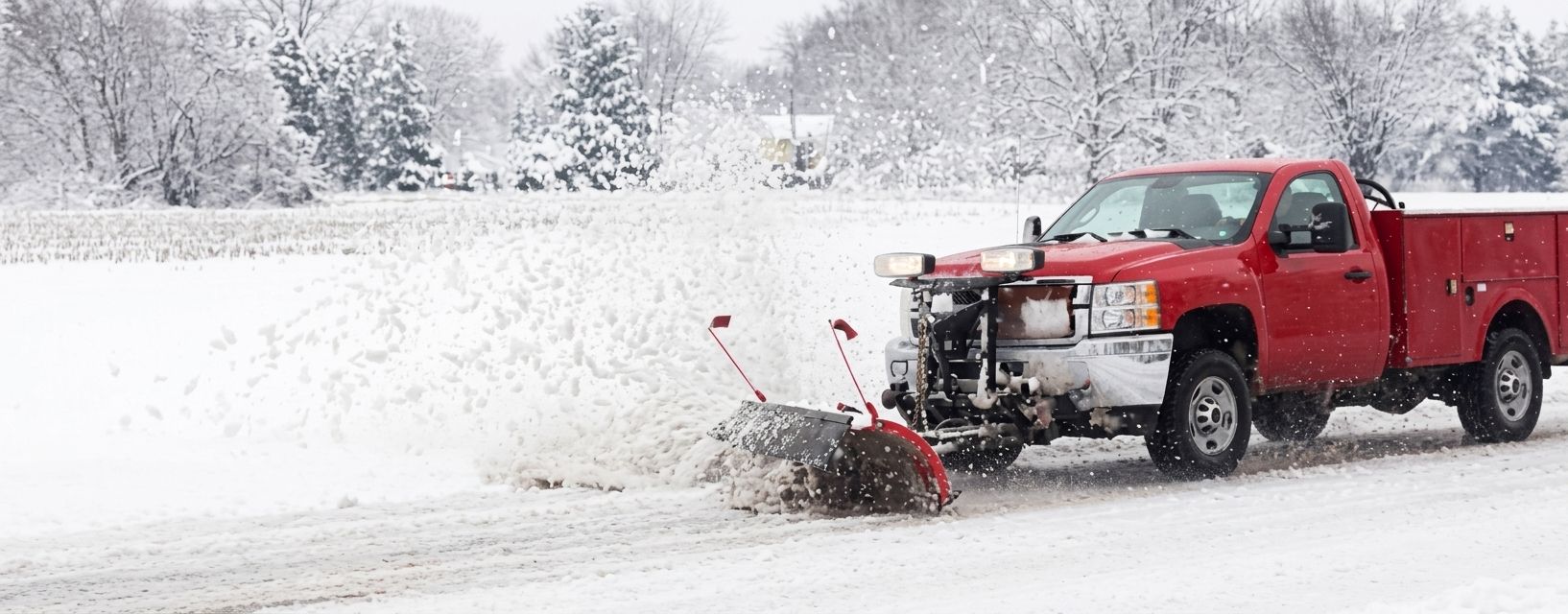
Snow accumulation blocks vehicle access, creates slippery walking surfaces, and limits how you can use driveways and parking lots during the winter months that define southeastern Wisconsin weather patterns. Snow removal restores pavement function by clearing accumulation after storms, allowing vehicles to enter and exit safely and giving pedestrians clear paths between parking areas and building entrances. Badger Sealcoat provides this seasonal service as an extension of year-round pavement care, addressing winter obstacles that affect the same surfaces maintained through sealcoating and striping during warmer seasons.
The service involves plowing or pushing snow from paved surfaces after accumulation reaches a depth that impairs safe use, then stacking cleared snow in designated areas where it does not block traffic, drainage structures, or building access. Both residential driveways and commercial parking lots benefit from systematic snow clearing that maintains usable pavement throughout winter rather than waiting until spring thaw.
Discuss your winter service needs to establish snow removal arrangements before weather arrives.
What Snow Clearing Accomplishes for Properties
Cleared pavement allows normal vehicle movement and parking activity to continue despite winter precipitation, reducing the disruptions that accumulating snow causes for residential access and commercial operations. You regain the use of paved areas that would otherwise sit buried under snow cover for extended periods during Wisconsin's winter season.
Properties with snow removal service show clear pavement surfaces after storms rather than compacted snow and ice layers that form when accumulation is left to melt and refreeze through temperature cycles. This maintains safer conditions for walking and driving compared to surfaces where packed snow creates slick, uneven footing that persists until sustained warm weather arrives.
Snow removal coordinates naturally with other pavement maintenance because the same asphalt surfaces that require sealing and crack repair during growing season need winter clearing to remain functional. Understanding pavement condition before winter helps identify areas where drainage patterns or surface deterioration may affect snow clearing approaches or snow pile placement.
Frequent Winter Service Questions
Residential and commercial customers typically want clarity about service triggers, pavement protection during clearing, and how snow removal fits their property before winter storms begin.
What snow depth typically triggers removal service?
Service thresholds vary by customer needs and property use, with many residential driveways cleared after two to four inches accumulate and commercial lots often requiring attention at lower depths to maintain business access. The trigger depth is established when service arrangements are made.
How does plowing affect asphalt pavement condition?
Properly adjusted plow equipment clears snow without scraping pavement aggressively or catching on surface irregularities, though existing cracks, potholes, or raised sections may sustain additional wear during repeated clearing events. Addressing pavement defects before winter reduces the risk of clearing equipment causing further damage.
Where does cleared snow get placed during removal?
Snow is pushed to property edges, landscaped areas, or designated pile zones where accumulation does not block vehicle access, drainage paths, or visibility at intersections and driveways. Available stacking space affects how much snow can be managed on-site before removal or relocation becomes necessary.
Can snow removal prevent ice formation on pavement?
Clearing snow promptly reduces the compacted snow layers that form ice as traffic and temperature cycling compress and melt accumulation, though removal alone does not eliminate all ice risks. Pavement cleared to the surface drains better and receives more solar warming compared to snow-covered areas.
How does winter service connect to spring pavement maintenance?
Winter clearing and salt exposure stress asphalt surfaces, making spring inspection important for identifying new cracks or surface deterioration that developed during cold months. Scheduling crack sealing and sealcoating after winter helps repair seasonal damage and restore pavement protection before another cycle begins.
Badger Sealcoat serves residential and commercial properties across Burlington with snow removal that keeps paved areas accessible when winter weather limits pavement use, supporting year-round attention to the surfaces we maintain. Call (262) 492-0990 to discuss winter clearing needs and service setup for your driveway or parking lot.