
Pavement Protection Applied with Precision
Brush Sealcoating in Burlington for driveways and parking areas exposed to Wisconsin weather
Badger Sealcoat applies protective sealer across asphalt surfaces using brush application, a hands-on method that places material exactly where your pavement needs it. You control coverage along edges where asphalt meets concrete walkways, landscaping beds, building foundations, and other adjoining features that require careful treatment. This approach matters when your driveway or parking area includes detailed borders or irregular shapes that demand attention during sealer placement.
Brush sealcoating works a coal tar or asphalt emulsion sealer into the pavement surface, filling minor surface voids and forming a protective layer that shields the asphalt binder from ultraviolet exposure, water infiltration, and chemical contact. Wisconsin's seasonal temperature swings and moisture cycles degrade unprotected asphalt gradually, and timely sealer application extends pavement life by limiting oxidation and surface wear.
Schedule a property evaluation to identify current pavement condition and sealer readiness.
What the Finished Surface Looks Like
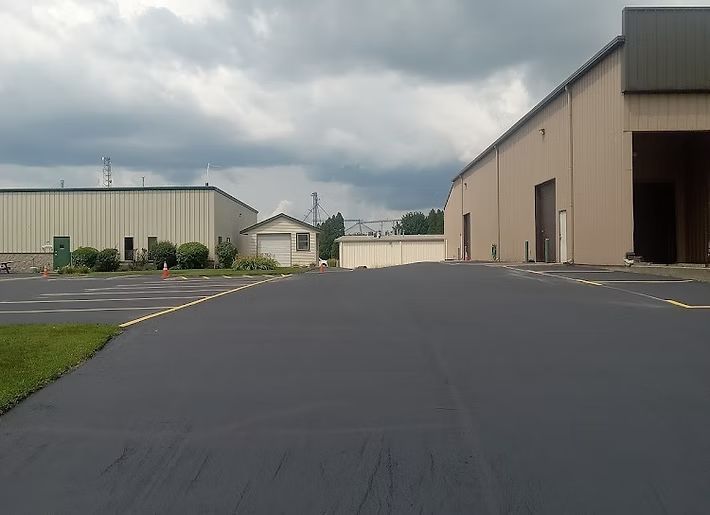
Brush-applied sealer produces a textured, matte finish that follows the contours of your existing asphalt without pooling in low spots or leaving thin gaps along edges. You see even coverage across the main pavement body and precise termination lines where the sealer stops at concrete borders, grass margins, or building perimeters, preventing sealer overlap onto surfaces where it does not belong.
After curing, the sealed surface appears uniformly dark with a slightly roughened texture that resists immediate wear from foot traffic and vehicle tires. The pavement holds this protected appearance through rain events and temperature changes, with the sealer layer acting as a barrier between your asphalt binder and environmental exposure that would otherwise dry and crack the surface over seasons.
Brush application allows adjustment of sealer thickness during placement, adding material where pavement shows greater wear or weathering and maintaining lighter coverage on newer sections. This approach suits properties with varied pavement ages or traffic patterns that produce uneven surface conditions across the same paved area.
Questions Property Owners Ask Before Sealing
Property owners in Burlington, Delevan, Fontana, and surrounding areas often ask about sealer application before scheduling pavement maintenance, particularly regarding timing, surface preparation, and what the process involves on their specific driveway or lot.
How does brush application differ from spray methods?
Brush application places sealer using handheld tools that push material into the asphalt surface, offering greater control along edges and borders compared to spray equipment that releases sealer in a fan pattern. This method works well for residential driveways with landscaping borders or commercial lots with detailed curbing.
When should asphalt be sealed after installation?
New asphalt needs six to twelve months of weathering before accepting sealer, allowing volatile oils in the fresh binder to evaporate and the pavement surface to oxidize slightly. Sealing too early traps oils and prevents proper sealer adhesion.
What preparation happens before sealer goes down?
The asphalt surface requires cleaning to remove loose debris, dirt, oil stains, and vegetation growth that would block sealer contact with the pavement. Cracks wider than a quarter inch typically receive crack filler before sealcoating to prevent sealer from disappearing into gaps.
How long does the sealer take to cure in Wisconsin weather?
Sealer needs warm, dry conditions to cure properly, typically requiring four to eight hours of temperatures above fifty degrees without rain. Cooler or humid conditions extend curing time and delay when vehicles can return to the surface.
What maintenance timeline makes sense for sealed pavement?
Most residential driveways benefit from resealing every two to three years, though traffic volume, sun exposure, and winter salt use affect how quickly the sealer layer wears. Commercial lots with heavier use may need more frequent applications to maintain surface protection.
Badger Sealcoat evaluates pavement condition, discusses surface preparation requirements, and explains how brush sealcoating protects your asphalt investment against southeastern Wisconsin's seasonal weather exposure. Request an estimate to review your driveway or parking area and confirm sealer readiness.