
Stopping Vehicle and Pedestrian Hazards
Pothole Repair in Burlington for driveways and parking lots where pavement has collapsed into depressions or broken edges
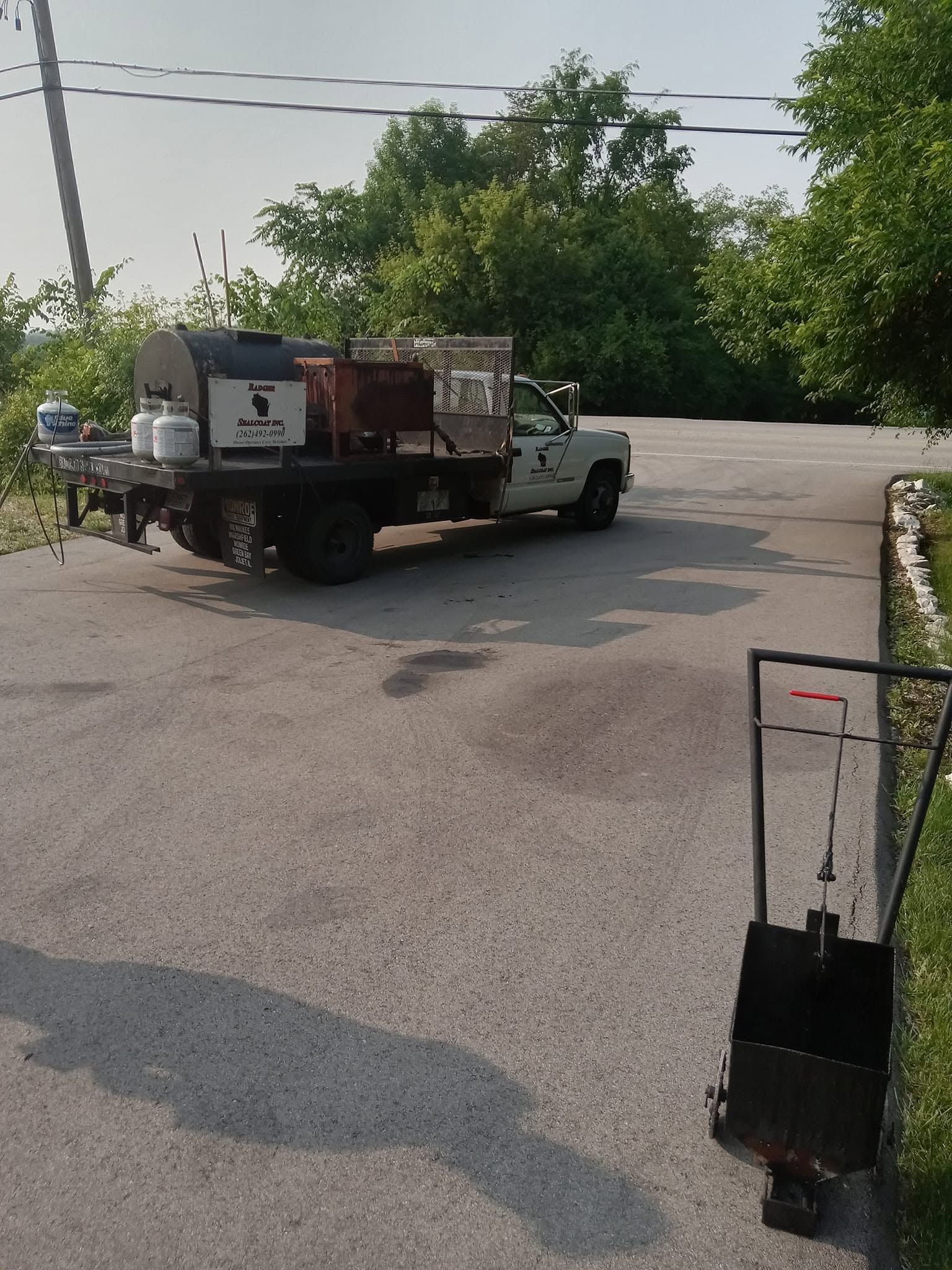
Potholes form when pavement weakens, water infiltrates cracks and reaches the base layer, and freeze-thaw cycles break down the structure until traffic causes the surface to collapse into the void beneath. What starts as a small depression expands as vehicle tires break away the edges and water continues eroding exposed base material, creating hazards that damage suspensions, cause pedestrians to trip, and signal neglect to customers or visitors. Pothole repair removes deteriorated material and restores the damaged section to a smooth, load-bearing surface. Badger Sealcoat addresses these defects on both residential driveways and commercial parking areas throughout Burlington, Brookfield, Pewaukee, or a surrounding area where southeastern Wisconsin's seasonal temperature swings accelerate the progression from minor crack to functional failure.
Repairing potholes improves driving and walking conditions immediately by eliminating the jarring impact and rough edges that characterize failed pavement, and it prevents the defect from spreading into adjacent areas where the pavement remains structurally sound. Unrepaired potholes expand continuously—each vehicle that strikes the edge breaks away more material, and each freeze-thaw cycle erodes additional base layer, increasing repair costs the longer the damage persists.
Schedule an estimate to evaluate pothole damage and receive a repair plan that addresses current defects and identifies other areas showing early deterioration signs.
Why Potholes Happen and How to Stop Them
Potholes develop through a predictable sequence—small cracks allow water to penetrate the pavement surface, that water reaches the base layer and weakens it through saturation or freeze-thaw cycles, traffic stresses the weakened section until it fails, and the surface collapses into the void created below. Southeastern Wisconsin experiences this pattern intensely because winter freezing expands water in the base layer, spring thaw leaves saturated weak spots, and increased traffic during warmer months completes the failure.
After repair, the pothole no longer collects water or presents a sudden drop that vehicles must navigate, and the pavement surface returns to a consistent grade that pedestrians can cross safely. The repair stops the expansion that would otherwise continue as edges break down, but it doesn't prevent new potholes from forming in other locations where cracks remain unsealed or drainage issues persist.
Long-term pothole prevention requires addressing the water intrusion that causes base failures—crack sealing stops moisture from penetrating intact pavement, proper drainage moves water away from pavement edges where it tends to infiltrate, and sealcoating protects the surface from oxidation that creates the initial cracks through which water enters.
Answers to Frequent Service Questions
Pothole repair involves removing damaged material, preparing the edges, and installing new asphalt that bonds to surrounding pavement.
What happens during pothole repair?
The damaged section is removed to reach stable pavement and base material, edges are squared and cleaned to ensure bonding, new asphalt is placed and compacted to match the surrounding surface grade, and the repair is finished to restore a smooth transition.
How quickly do potholes expand if not repaired?
Potholes grow with each vehicle that strikes the edges and every freeze-thaw cycle that erodes additional base material, often doubling in size within a single season if left unaddressed.
Why do potholes form more after winter in Burlington?
Freeze-thaw cycles saturate and weaken base layers during winter, spring thaw leaves the pavement structure at its weakest, and increased traffic as temperatures warm completes the failure that winter prepared.
Can shallow depressions become potholes?
Shallow depressions indicate the pavement is losing base support—if left alone, water will continue eroding the base until traffic causes complete surface collapse into a pothole.
What's the difference between patching and pothole repair?
The terms describe similar processes—both remove failed pavement and restore it with new asphalt—but pothole repair specifically addresses bowl-shaped failures caused by base erosion, while patching may also address surface-only damage or larger deteriorated sections.
Badger Sealcoat repairs potholes on residential driveways and commercial properties across southeastern Wisconsin, restoring functional surfaces and reducing vehicle hazards. Contact us to schedule an estimate and address pavement defects before they expand into more extensive damage.